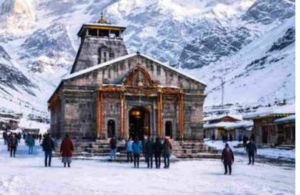
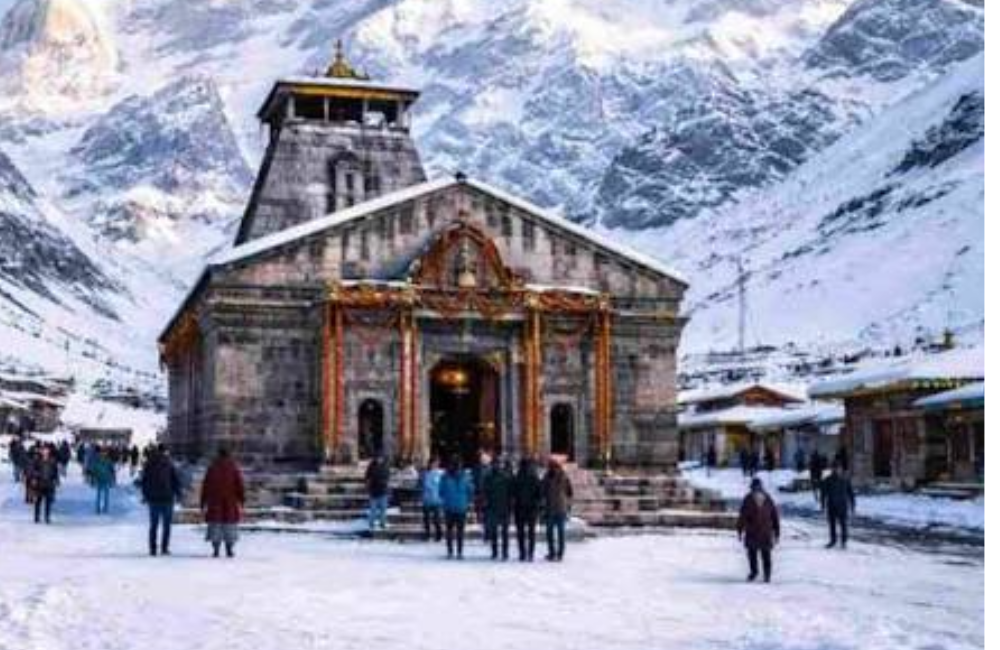
Kedarnath is one of the most sacred pilgrimage destinations in Northern India and is widely known for its spiritual importance, breathtaking Himalayan scenery and ancient temple dedicated to Lord Shiva. Situated on the banks of the Mandakini River at an altitude of approximately 3,584 metres above sea level, Kedar nath Temple is surrounded by snow-covered mountains and beautiful natural landscapes. The region surrounding Kedar nath is traditionally known as Kedar Khand. This sacred destination holds great religious importance in Hinduism, as Kedarnath Temple is one of the twelve Jyotirlinga shrines dedicated to Lord Shiva.
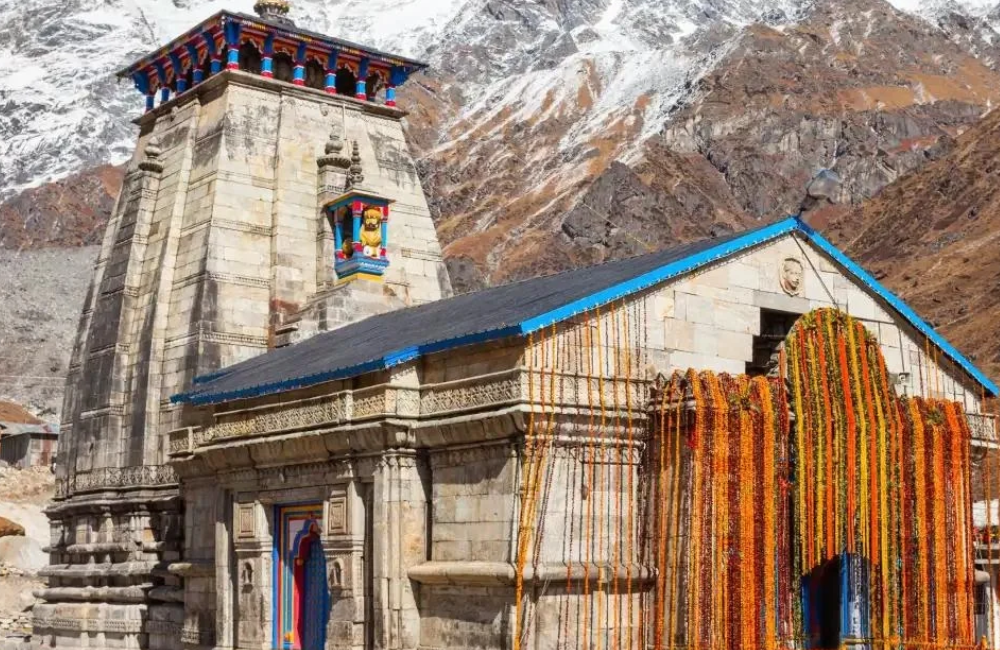
It is also an important part of the Char Dham Yatra and the Panch Kedar pilgrimage in Uttarakhand. Every year, a large number of pilgrims visit Kedarnath to worship Lord Shiva and experience the spiritual atmosphere of the Himalayas.
,thousands of devotees travel to Kedar nath to seek blessings from Lord Shiva. The journey is known not only for its religious significance but also for its challenging mountain route, changing weather conditions and beautiful views of the Himalayas. Kedar nath is an important destination for pilgrims, adventure lovers and travellers who want to explore the spiritual beauty of Uttarakhand.
1. Where Is Kedarnath Temple Located?
Kedarnath Temple is situated in the Rudraprayag district of Uttarakhand, within the majestic Garhwal Himalayan region. Located close to the Mandakini River and surrounded by towering mountain peaks, this sacred shrine is known for its scenic beauty, spiritual significance and challenging accessibility. Despite its remote location, Kedar attracts pilgrims and travellers from across India every year.
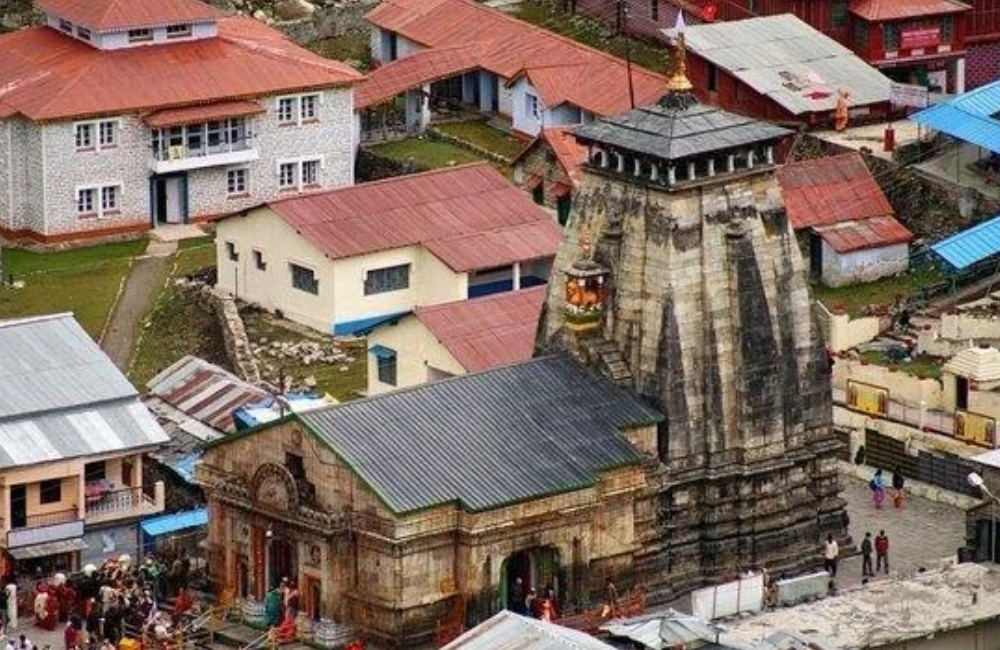
The nearest road-accessible pilgrimage base is Gaurikund, from where devotees travel approximately 16–18 km on foot, depending on the route and current trail arrangements, to reach Kedarnath Temple. The route is challenging because of the high altitude, steep paths and unpredictable weather.
- District: Rudraprayag, Uttarakhand
- Nearest trekking starting point: Gaurikund
- River: Mandakini River
- Mountain region: Garhwal Himalayas
- Nearest major railway access: Rishikesh
2. Kedarnath Height Above Sea Level
The Kedarnath Temple is situated at approximately 3,580 metres (around 11,755 feet) above sea level. It is among India’s highest-altitude Hindu pilgrimage shrines.The high-altitude location makes the journey physically demanding, particularly for people who are not accustomed to mountain travel.
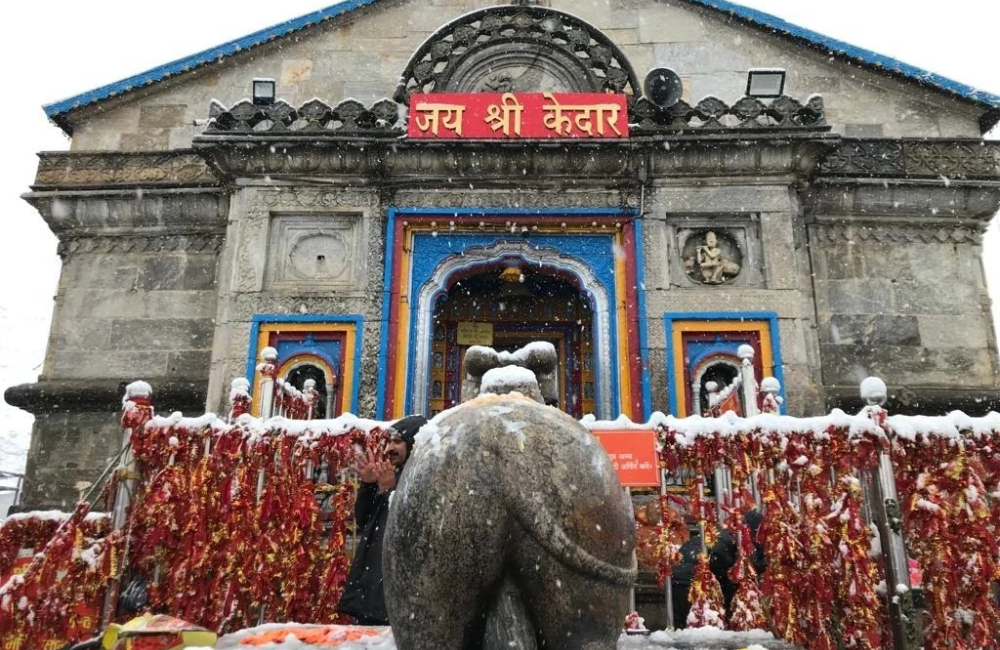
The weather at Kedar nath can change quickly. Even during the pilgrimage season, visitors may experience cold winds, rain and occasional snowfall. Pilgrims should carry warm clothes, waterproof jackets, comfortable trekking shoes and basic medicines.
3. Who Built Kedarnath Temple and When Was It Built?
Kedar Temple is an ancient Hindu temple traditionally associated with Adi Shankaracharya, who is believed to have rebuilt or established the shrine in the 8th century AD. According to Hindu mythology, the Pandavas are believed to have established an early shrine at Kedar during their journey to seek forgiveness from Lord Shiva after the Mahabharata war.
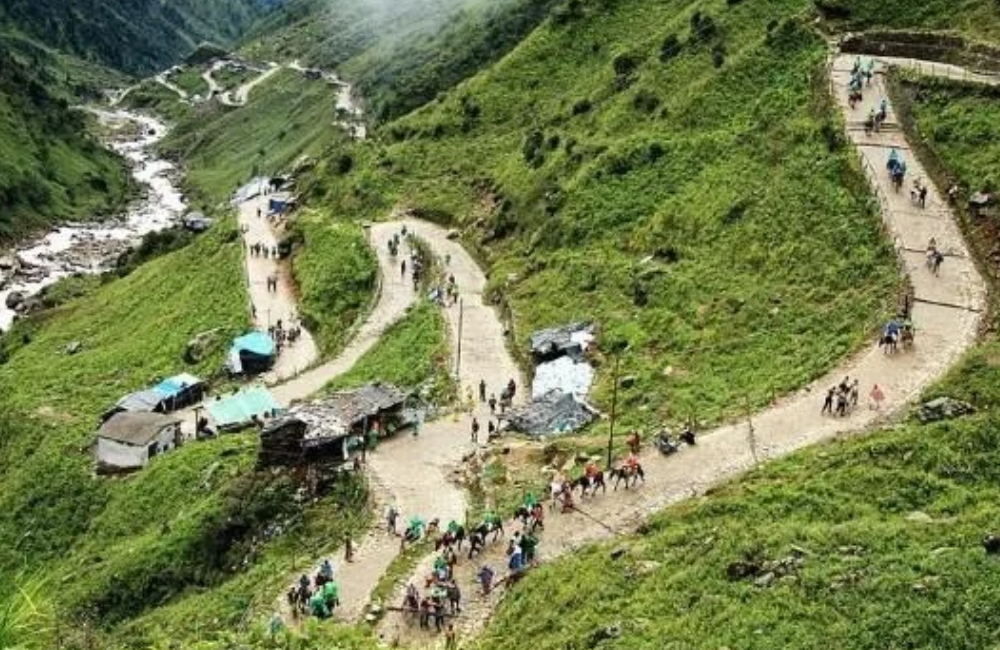
The temple is constructed using massive grey stone slabs and has a traditional Himalayan architectural style. The strong stone structure has stood for centuries despite harsh weather conditions, heavy snowfall and difficult geographical surroundings.
4. Kedarnath Temple Is Dedicated to Which God?
Kedar Temple is dedicated to Lord Shiva. It is among the twelve sacred Jyotirlinga shrines dedicated to Lord Shiva, holding a special place in Hindu religious beliefs.
At Kedar nath Temple, devotees worship Lord Shiva in a unique naturally shaped stone representation. visiting the temple and offering prayers to Lord Shiva can bring spiritual peace, blessings and devotion.
Kedar nath is also included in the Chota Char Dham pilgrimage of Uttarakhand, along with Badrinath, Gangotri and Yamunotri.Kedar nath holds a prominent position as the principal temple in the sacred Panch Kedar pilgrimage route.
5. The Legend of Kedarnath and the Panch Kedar
According to Hindu mythology, after the Kurukshetra war, the Pandavas wanted to seek forgiveness from Lord Shiva for the sins of killing their relatives and warriors. Lord Shiva did not want to meet them and tried to avoid them by taking the form of a buffalo.
When the Pandavas recognised him, Lord Shiva disappeared into the ground, leaving his hump at Kedar tample. The remaining parts of his body are believed to have appeared at four other places in Uttarakhand.
Together, these five holy shrines form the famous Panch Kedar pilgrimage circuit.
- Kedarnath: The hump of Lord Shiva.
- Tungnath: The arms of Lord Shiva.
- Rudra nath: The face of Lord Shiva.
- Madmaheshwar: The belly or navel of Lord Shiva.
- Kalpeshwar: The hair and head of Lord Shiva.
These five temples are collectively known as Panch Kedar and are considered important pilgrimage destinations for Shiva devotees.
6. Nandi Maharaj at Kedarnath Temple
Nandi Maharaj, the sacred bull and vehicle of Lord Shiva, is also present at Kedarnath Temple. Nandi is considered a symbol of devotion, strength, faith and patience. Devotees often offer prayers to Nandi before entering the main temple.
The presence of Nandi Maharaj outside the temple is an important part of traditional Shiva temple architecture. Pilgrims visiting Kedarnath often bow before Nandi and seek blessings before proceeding towards the main shrine.
7. Are There Dangerous Dogs at Kedarnath?
During the Kedarnath Yatra, visitors may notice dogs around the temple area, camps, food stalls and trekking routes. Some may be stray or community dogs, while others may be accustomed to pilgrims and local residents.
Dogs are not a special attraction of Kedarnath, and it would be inaccurate to describe all of them as dangerous. However, mountain dogs can sometimes behave defensively, especially when they are frightened, protecting food or approached by strangers.
Visitors should avoid touching unfamiliar dogs, feeding them by hand or disturbing them while sleeping.Stay composed and move slowly if a dog comes near you, avoiding any sudden actions.
8. When Does Kedarnath Temple Open and Close?
Kedar nath Temple usually welcomes devotees between April and May and remains open until October or November, depending on the annual pilgrimage schedule. The opening and closing ceremonies are decided according to Hindu religious customs and the traditional calendar.
Pilgrims can visit the shrine during the summer and autumn seasons, when weather conditions are relatively favourable for travelling in the Himalayan region. However, during winter, heavy snowfall, freezing temperatures and difficult weather conditions make the temple inaccessible to visitors.
Once the winter closure ceremony is completed, the symbolic worship of Lord Kedarnath is carried out at the Omkareshwar Temple in Ukhimath, Uttarakhand, where devotees can continue offering their prayers.
Kedar nath Temple 2026 Opening and Closing Dates: During the 2026 pilgrimage season, the temple opened on 22 April 2026 and officially closed on 11 November 2026 for the winter break. These dates apply specifically to the 2026 season; the schedule for the following year is announced separately by the temple authorities.
9. Which River Flows Near Kedarnath?
The Mandakini River flows near Kedar Temple. It is one of the important rivers of Uttarakhand and originates from the region of the Chorabari Glacier near Kedarnath.
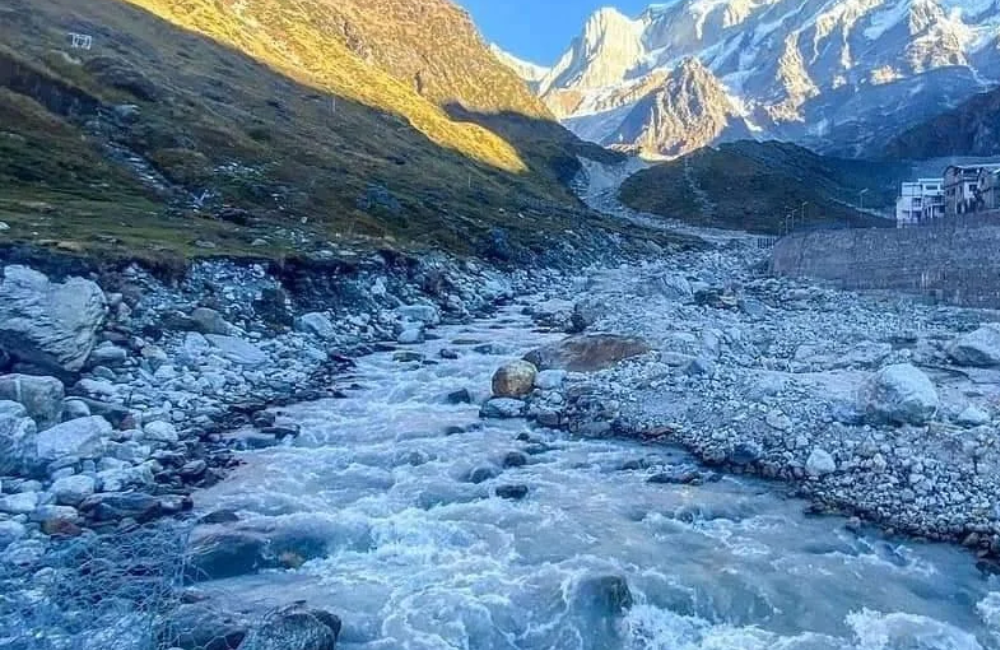
The Mandakini River flows through the Kedarnath valley and passes through areas including Gaurikund, Sonprayag and Rudraprayag. It is an important river for the region’s natural environment, local communities and religious traditions.
Where does the Mandakini River meet another river?
At Rudraprayag, the Mandakini River joins the Alaknanda River, forming a sacred confluence in Uttarakhand. This confluence is one of the important Panch Prayag, or five sacred river confluences, of Uttarakhand.
- Kedar nath: Near the upper Mandakini valley.
- Gaurikund: Near the starting point of the Kedar trek.
- Sonprayag: A significant confluence area in the pilgrimage route.
- Rudraprayag: The Mandakini meets the Alaknanda River.
The confluence at Rudraprayag holds religious importance for pilgrims travelling through the Garhwal region.
10. Gaurikund and Its Hot Water Spring
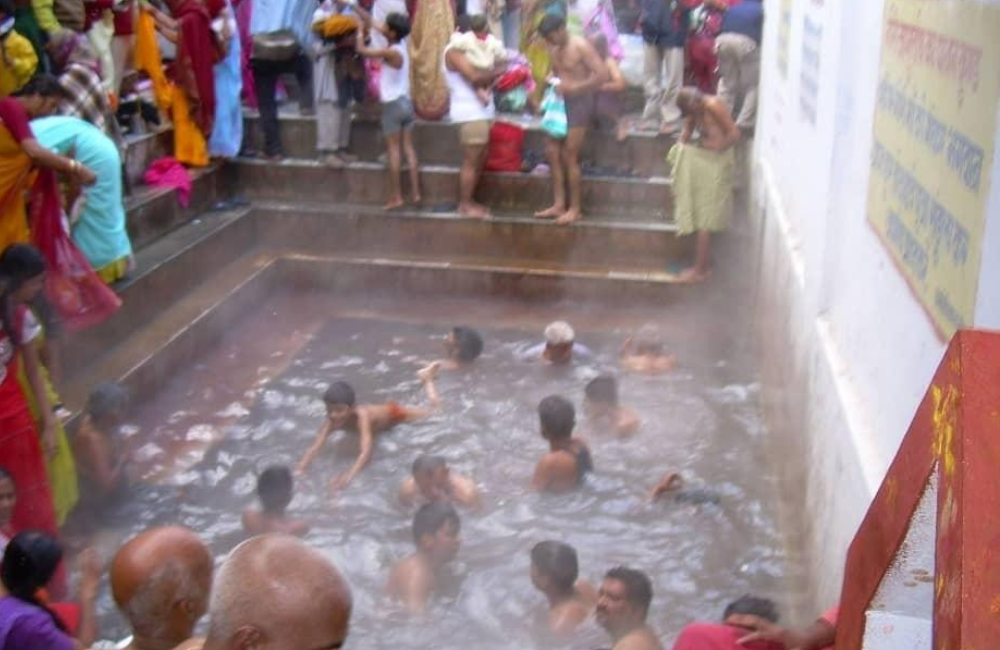
Gaurikund is one of the most important places on the Kedar nath pilgrimage route. It is the last major road-accessible point before the trek to Kedarnath begins. Gaurikund is also known for its religious importance and its hot water spring, often referred to as the Gauri Kund or Garam Kund.
According to Hindu mythology, this place is associated with Goddess Parvati, also known as Gauri, who performed penance to obtain Lord Shiva as her husband.
Where does the hot water of Gaurikund come from?
The hot water at Gaurikund is associated with a natural geothermal spring. Such springs are formed when underground water is heated by the Earth’s internal heat and returns to the surface through cracks and geological pathways.
11. How to Reach Kedarnath from Delhi by Train?
- Train route: Delhi – Yog Nagari Rishikesh (YNRK) or Delhi – Haridwar.
- Travel time: Approximately 4–7 hours, depending on the train.
- Ticket fare: Approximately ₹150–₹1,500 or more, depending on the train and class.
How to Reach Kedar tample from Rishikesh by Bus?
After reaching Rishikesh, you can travel towards Sonprayag or Gaurikund by bus, shared vehicle or taxi, depending on the current road arrangements. During the pilgrimage season, transport services are available for travellers heading towards the Kedar nath route.
The road journey passes through beautiful mountain areas, river valleys and small towns of Uttarakhand.
Rishikesh to Gaurikund bus fare
The approximate bus fare from Rishikesh towards the Kedarnath route may range from ₹400 to ₹1,000 or more, depending on the bus type, destination and season. Private taxis may cost considerably more.
- Bus travel time: Approximately 8–12 hours, depending on traffic, road conditions and the destination.
- Destination: Sonprayag or Gaurikund, depending on available services.
- Bus fare: Approximately ₹400–₹1,000 or more.
- Taxi option: Available from Rishikesh and other major towns.
Buses may leave early in the morning, but there is no single fixed departure time for every service. It is better to enquire at the bus stand or book through a reliable operator before travelling.
13. Kedarnath Helicopter Booking Price
Helicopter services are another option for people who want to visit Kedar tample but cannot undertake the long trek. Helicopter services generally operate from designated helipads such as Phata, Guptkashi and Sersi, subject to seasonal arrangements and weather conditions.
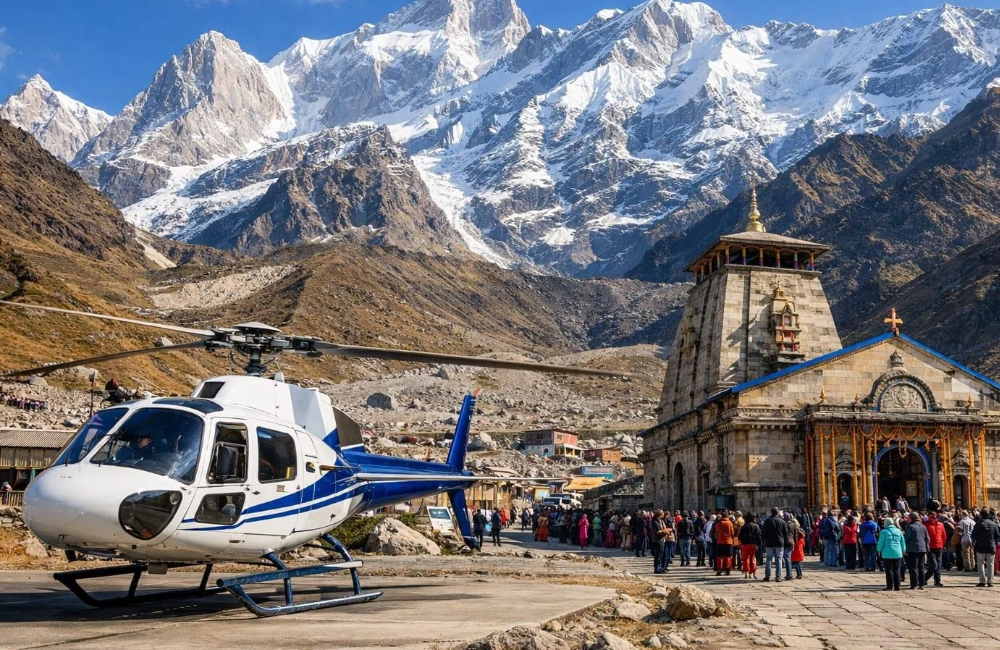
The Kedar tample helicopter booking price depends on the helipad, operator, service and official fare for that season. Prices can change each year.
LEARN MORE : Dhanushkodi rameshwaram
1. Where is Kedarnath Temple located?
Kedar nath Temple is located in the Rudraprayag district of Uttarakhand, near the Mandakini River, in the Garhwal Himalayas
2. What is the height of Kedar nath?
Kedar nath Temple is situated at approximately 3,580 metres (around 11,755 feet) above sea level.
3. Who built Kedar nath Temple?
According to traditional accounts, Adi Shankaracharya is associated with the temple’s construction or reconstruction in the 8th century AD. The temple is also connected with the Pandavas through Hindu mythology.
4. Which river flows near Kedar nath?
The Mandakini River flows near Kedarnath. It originates in the region of the Chorabari Glacier and meets the Alaknanda River at Rudraprayag.
5. In which months does Kedar nath Temple remain closed?
KedarTemple generally remains closed during winter, from around October or November until April or May, depending on the annually announced opening and closing dates.