
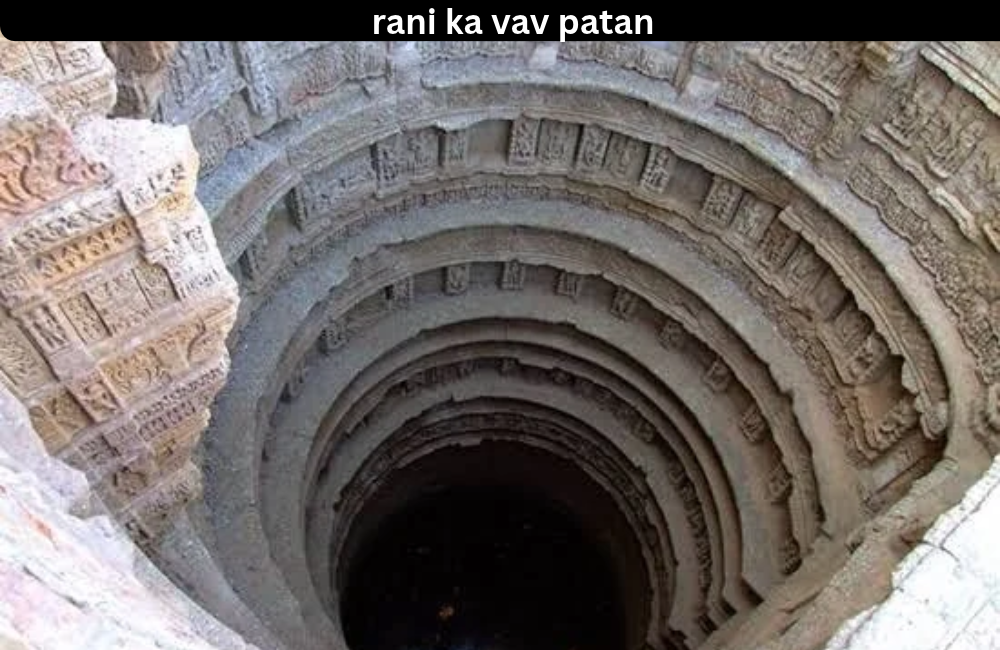
Rani ki Vav patan was built in the 11th century CE by Queen Udayamati in memory of her husband, King Bhimdev I (Bhima I), who belonged to the Solanki dynasty of Gujarat. It was constructed as a memorial and also served as an important water storage structure.
The stepwell was designed with a temple-like appearance, featuring beautifully carved pillars, sculptures and stairways leading towards the water. Its architecture reflects the importance of water in ancient Indian culture, along with religious and artistic traditions.
The monument is an outstanding example of how ancient Indian builders combined practical water management with artistic and spiritual elements. Over time, it became one of Gujarat’s most treasured historical sites.
2. Rani ki Vav, Patan: Where Is It Located?
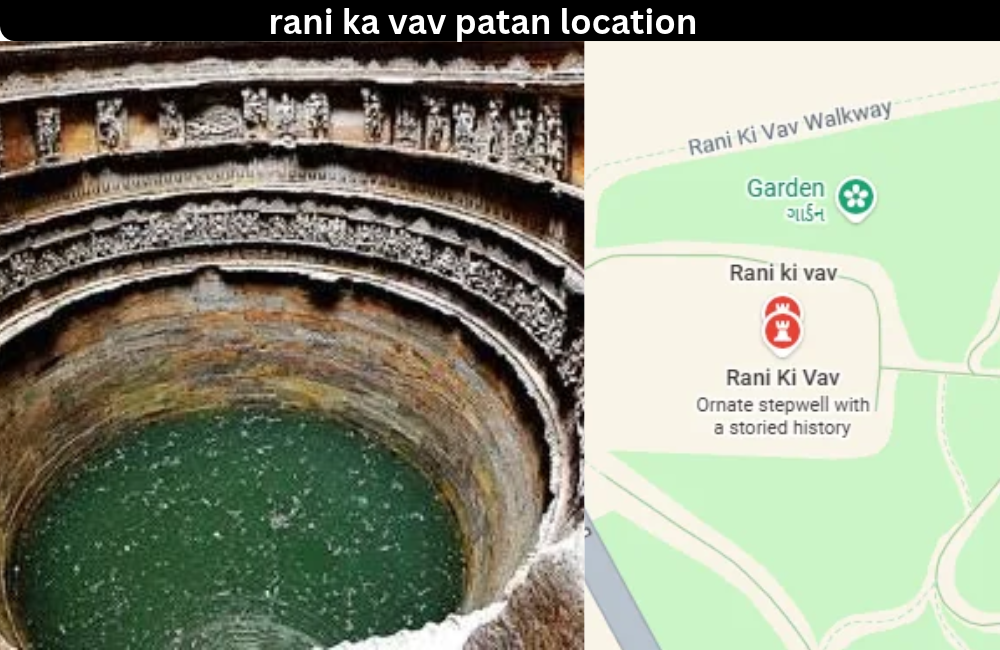
If you are wondering rani ki vav patan kaha ha, this historic stepwell is located in Patan city, in the Patan district of Gujarat, India. It was built on the banks of the Saraswati River and is one of the most famous historical attractions in the state.
Rani ki Vav attracts tourists, history lovers, architecture enthusiasts and students from different parts of India and the world. The monument is known for its underground structure, beautiful stone carvings and traditional architectural style.
The location of Rani ki Vav also makes it an important destination for people exploring the historical and cultural attractions of Gujarat.
3. Rani ki Vav Is Featured on Which Indian Currency Note?
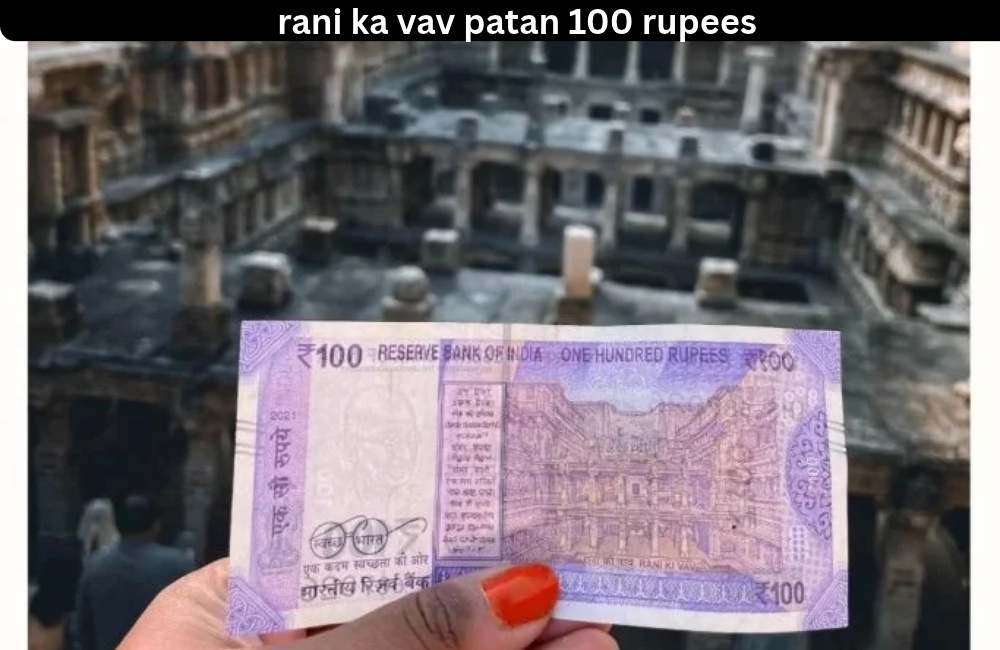
The image of Rani ki Vav is featured on the reverse side of the new Indian ₹100 currency note. The Reserve Bank of India (RBI) announced the new design of the ₹100 banknote on 19 July 2018.
The new ₹100 note belongs to the Mahatma Gandhi (New) Series and has a lavender colour. The image of Rani ki Vav on the reverse side highlights India’s historical architecture and cultural heritage. Reserve Bank of India+1
This currency note has made the monument even more recognisable among people across India. Many people become curious about the history and location of Rani ki Vav after seeing its image on the ₹100 note.
4. When Was Rani ki Vav patan Included in the UNESCO World Heritage List?
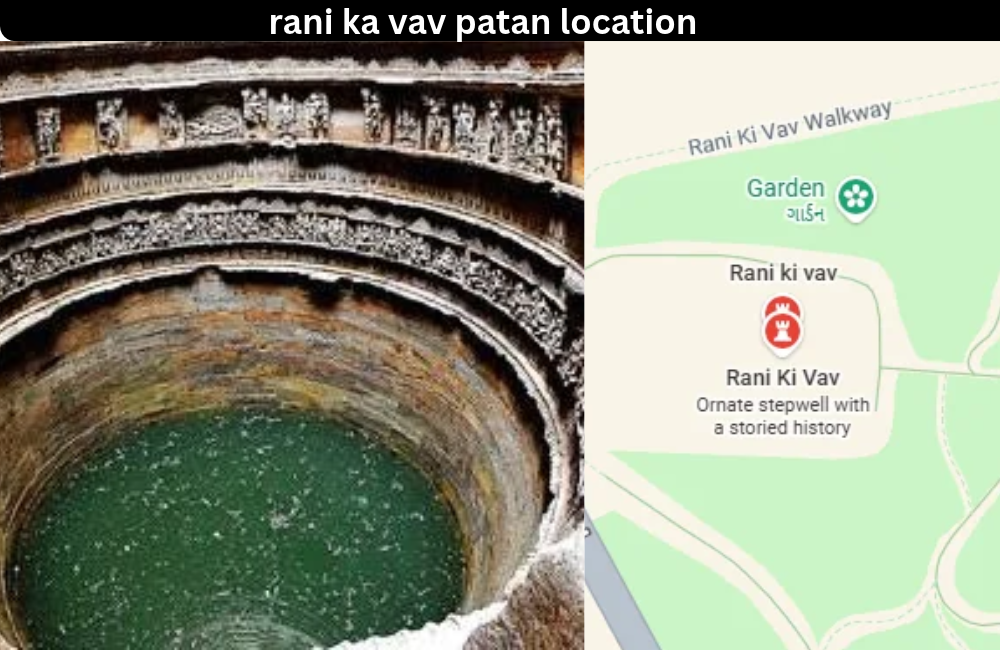
Rani ki Vav patan was officially included in the UNESCO World Heritage List in June 2014 during the 38th session of the World Heritage Committee held in Doha, Qatar. It was recognised under UNESCO criteria (i) and (iv), highlighting its outstanding artistic and architectural importance. UNESCO World Heritage Centre+1
The stepwell is considered an exceptional example of ancient Indian water architecture. Its design resembles an inverted temple and includes seven levels of stairs, beautifully carved sculptures and decorative panels. These carvings represent religious, mythological and cultural themes.
Rani ki Vav is particularly significant because it demonstrates the artistic creativity, engineering skills and water-management knowledge of ancient Indian builders. The monument also reflects the importance of water in Indian traditions and religious beliefs.
UNESCO recognition has helped strengthen its international reputation and has made it one of the most important heritage destinations in Gujarat.
learn more hariharfort
Conclusion
Rani ki Vav, Patan, is a remarkable historical monument that represents the artistic, cultural and architectural achievements of ancient India. Built by Queen Udayamati in the 11th century as a memorial to King Bhimdev I, this stepwell is famous for its intricate carvings, impressive design and historical significance.
Its location in Patan district, Gujarat, its appearance on the Indian ₹100 currency note and its UNESCO World Heritage recognition make it an important destination for history enthusiasts and travellers.
faqs
Q1. Where is Rani ki Vav located?
Rani ki Vav is located in Patan city, in the Patan district of Gujarat, India. It is one of the most famous historical monuments in the state.
Q2. Who built Rani ki Vav and when?
Rani ki Vav was built by Queen Udayamati in the 11th century CE in memory of her husband, King Bhimdev I of the Solanki dynasty.
Q3. Rani ki Vav is shown on which Indian currency note?
The image of Rani ki Vav is printed on the reverse side of the new Indian ₹100 currency note, introduced in July 2018.
Q4. When did Rani ki Vav become a UNESCO World Heritage Site?
Rani ki Vav was added to the UNESCO World Heritage List in June 2014 during the 38th session of the World Heritage Committee.